
Thursday, July 26, 2018

Friday, July 20, 2018
DUTASTERIDE
Side Effects
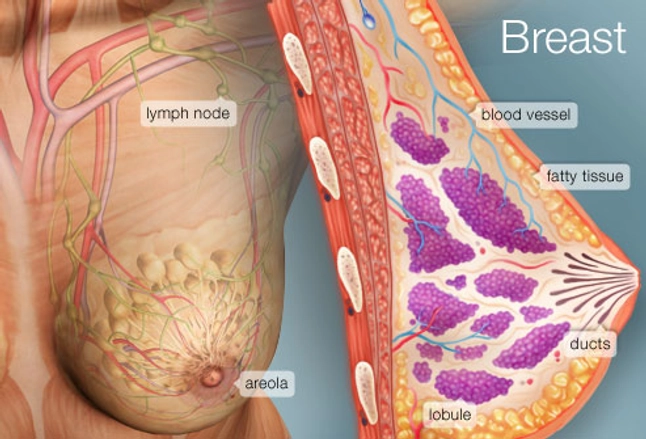
Sexual problems (such as decreased sexual interest/ability, decrease in the amount of semen/sperm), testicle pain/swelling, increased breast size, or breast tenderness may occur. Sexual problems have continued in some men even after stopping treatment. If any of these effects persist or worsen, tell your doctor or pharmacist promptly.

Remember that your doctor has prescribed this medication because he or she has judged that the benefit to you is greater than the risk of side effects. Many people using this medication do not have serious side effects.
A very serious allergic reaction to this drug is rare. However, get medical help right away if you notice any symptoms of a serious allergic reaction, including: rash, itching/swelling (especially of the face/tongue/throat), severe dizziness, trouble breathing.
This is not a complete list of possible side effects. If you notice other effects not listed above, contact your doctor or pharmacist.
In the US -
Call your doctor for medical advice about side effects. You may report side effects to FDA at 1-800-FDA-1088 or at www.fda.gov/medwatch.
DUTASTERIDE FOR BPH ( Benign Prostatic Hyperplasia)
Dutasteride (By mouth)
doo-TAS-ter-ide
Drug classes
Benign Prostatic Hypertrophy Agent (About this - PubMed Health)
Uses
Uses of This Medicine
Note: Women of childbearing potential should not use or handle dutasteride capsules. Dutasteride can cause birth defects in male fetuses.
Dutasteride is used alone or in combination with tamsulosin (Flomax®) to treat men who have symptoms of an enlarged prostate gland, which is also known as benign prostatic hyperplasia (BPH). Benign enlargement of the prostate is a problem that can occur in men as they get older. The prostate gland is located below the bladder. As the prostate gland enlarges, certain muscles in the gland may become tight and get in the way of the tube that drains urine from the bladder. This can cause problems with urinating, such as a need to urinate often, a weak stream when urinating, or a feeling of not being able to empty the bladder completely.
Dutasteride blocks the action of an enzyme called 5-alpha-reductase. This enzyme changes testosterone to another hormonethat causes the prostate to grow. As a result, the size of the prostate is decreased. The effect of dutasteride lasts only as long as the medicine is taken. If it is stopped, the prostate begins to grow again.
This medicine is available only with your doctor's prescription.
How To Use
Liquid Filled Capsule
Your doctor will tell you how much medicine to use. Do not use more than directed.
Swallow the capsule whole. Do not crush, chew, or open it.
Read and follow the patient instructions that come with this medicine. Talk to your doctor or pharmacist if you have any questions.
Missed dose: Take a dose as soon as you remember. If it is almost time for your next dose, wait until then and take a regular dose. Do not take extra medicine to make up for a missed dose.
Store the medicine in a closed container at room temperature, away from heat, moisture, and direct light.
Drugs and Foods to Avoid
Ask your doctor or pharmacist before using any other medicine, including over-the-counter medicines, vitamins, and herbal products.
Some medicines can affect how dutasteride works. Tell your doctor if you are also using any of the following:
When Not To Use
This medicine is not right for everyone. Do not use it if you had an allergic reaction to dutasteride or similar medicines, such as finasteride.
Warnings
Women who are pregnant should avoid touching or handling this medicine because it can harm an unborn male baby. If a pregnant woman gets this medicine on her skin, wash the area immediately with soap and water.
Tell your doctor if you have liver disease.
This medicine may increase your risk of high-grade prostate cancer.
Do not donate blood for at least 6 months after you stop taking this medicine.
Your doctor will check your progress and the effects of this medicine at regular visits. Keep all appointments.
Keep all medicine out of the reach of children. Never share your medicine with anyone.
Possible side effects
Summary
Call your doctor right away if you notice any of these side effects:
Allergic reaction: Itching or hives, swelling in your face or hands, swelling or tingling in your mouth or throat, chest tightness, trouble breathing
Decrease in how much or how often you urinate
If you notice these less serious side effects, talk with your doctor:
Decrease or change in your sexual desire
Trouble having or keeping an erection
If you notice other side effects that you think are caused by this medicine, tell your doctor.
Call your doctor for medical advice about side effects. You may report side effects to FDA at 1-800-FDA-1088.
Brand names include
Avodart
There may be other brand names for this medicine.
Esta es la razón por la que se te olvida algo que estabas a punto de hacer
Esa sensación de ir en busca
algo y luego preguntarnos ¿a qué venía? la hemos experimentado todos. Te contamos la razón:
Jul 19, 2018- 19:02

Seguramente en más de una ocasión estas buscando algo o debes ir a hacer algo en específico y cuando llegas te preguntas ¿a qué venía? o ¿qué iba hacer?, la pregunta queda flotando en el aire varios segundos hasta que de pronto recuerdas qué necesitas hacer… o en otros casos es necesario volver al punto de inicio para saber a qué te dirigías. Esto es algo que ocurre muy a menudo y se se trata del efecto umbral. Te contamos de que se trata:
De acuerdo con expertos, estas
“microdesconexiones” de la memoria no tienen nada de malo y sirven para
explicarnos cómo organiza nuestro cerebro los recuerdos, prioridades y
objetivos.
Estudios
de psicología y de las ciencias del comportamiento han encontrado el verdadero
culpable de que esto suceda: las puertas.
¿En
qué consiste? … según explica Radvansky, uno de los investigadores de
la Universidad de Notre Dame, nuestra memoria funciona de distintas formas y lo
más conocido es la distinción entre memoria a corto y a largo plazo.
En este sentido, el efecto umbral
afecta la memoria corta, pues lo que ocurre es una optimización de la
información para que la tengamos a la mano. De alguna manera la información que
vamos captando en cierto tiempo y en ciertos entornos adquiere una jerarquía,
entonces, para mantener ese nivel de optimización, el cerebro prepara la
memoria para estar listo y recibir nueva información.
Por lo que, el cruzar una puerta, o
cualquier cambio de entorno, hace que esa información sea desechada y ya no
representa una prioridad en el nuevo entorno en el que nos encontramos.
“Caminar por
una puerta es un buen momento para purgar los eventos modelo porque lo que
fuera que pasara en la habitación anterior probablemente será menos relevante
ahora que cambiaste de lugar. ¿Esta cosa en la caja? Ah, eso es de lo que
estaba haciendo antes de llegar aquí, así que podemos olvidarnos de ello. Otros
cambios pueden inducir esta purga: un amigo toca la puerta, acabas la tarea que
estabas realizando o la batería de tu computadora se acaba y necesitas conectar
el cargador”, detalla el estudio.
Los
científicos agregan que, no hay forma de contrarrestar esta reacción, puesto
que no siempre depende de cuánta atención pongamos o si estamos concentrados,
sino más bien nuestra memoria funciona formando asociaciones y es por ello que
la mitad de las veces que esto te ocurre necesitas volver a la habitación de
origen o al pensamiento que te llevó a otra habitación, para recordar aquello
que querías hacer.

Subscribe to:
Posts (Atom)
-
Un estudio chino vio menos riesgos de ataque cardiaco y accidente cerebrovascular Traducido del inglés: jueves, 7 d...
